Open 24/7, Monday to Sunday | Serving Richmond since 2014(804) 470-3269
Clifford Dumpster RentalDumpster Rental Richmond, VA
Dumpster Rental Richmond, VA

Local debris service

Dumpster Rental Richmond, VA

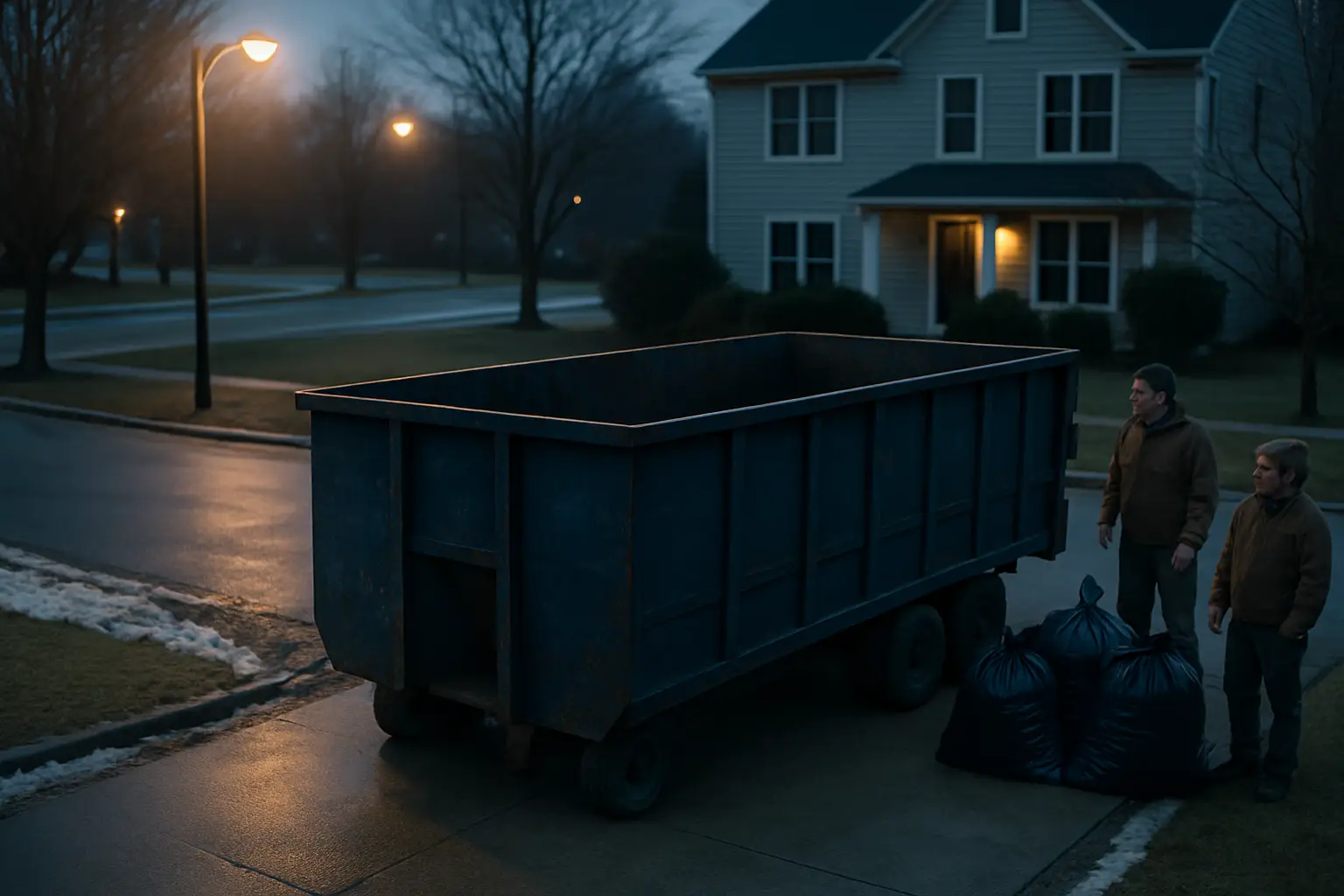
Clifford Dumpster Rental confirms placement windows and clearance before delivery, with clear job details reviewed before the truck is dispatched.

Dumpster Rental Richmond, VA gives homeowners, contractors, landlords, and businesses a practical way to control project debris. Clifford Dumpster Rental helps choose the right container, checks the planned placement, and coordinates delivery around the actual access conditions at your property. Service is available 24/7, Monday to Sunday.

  • Serving since 2014
  • Licensed, bonded and insured
  • 5350 + containers delivered

A working local crew

Richmond projects need more than a container

Clifford Dumpster Rental has served the Richmond area since 2014, delivering containers for home cleanouts, renovation debris, roofing material, commercial work, and the ordinary mess that follows a move. The useful part of the service happens before the truck arrives. We discuss what you are throwing away, where the container can sit, how the truck will approach, and whether the material has unusual weight. That prevents a common mistake: choosing a large container for a small but heavy load, or choosing a small container and needing another delivery. Our team works 24/7, Monday to Sunday, because construction schedules and property turnovers rarely follow a tidy calendar.

Richmond has older row houses, detached homes with narrow drives, newer suburban lots, apartment properties, and active commercial corridors. Each setting changes the delivery plan. A container beside a paved drive is handled differently from one placed near a curb, over a sloped approach, or beneath mature trees and utility lines. Clifford Dumpster Rental checks driveway and overhead clearance before confirming the placement window, then coordinates the delivery around those conditions. We will also tell you when a smaller container is the sensible choice, when heavy material requires caution, and when the planned location may need local permission. The work is straightforward, but the details deserve attention before loading begins.


  • Open 24/7, Monday to Sunday
  • Serving Richmond city

Placement planning

Where a container can sit in Richmond

Richmond placement depends on the property and the truck approach, not just the open space visible from the street. A paved driveway is usually the simplest location when it is wide enough, reasonably level, and clear of vehicles, low branches, wires, gates, and retaining edges. Older city homes may have narrow side drives, alley access, or limited frontage. A container on a public street usually needs town permission first, so tell us where it has to sit and we will explain what applies. Do not assume a sidewalk, bike route, bus area, or parking lane can be blocked. The proposed location should also leave room for residents, emergency access, and the truck’s movement.

Richmond’s grades and drainage conditions matter after wet weather. Soft shoulders, low spots, patched asphalt, and lawns can rut under a loaded truck even when the area looks firm. In Church Hill, Oregon Hill, or other older districts, tight approaches and mature trees can be more limiting than container volume. In newer subdivisions, decorative walls, narrow drives, and overhead service lines deserve the same review. Before delivery, move cars and loose items, unlock gates, trim or identify low branches, and protect the planned route from active work materials. A placement window is useful only when the area stays accessible for the truck at both delivery and pickup.

Material decisions

How Richmond homes change size and weight

Richmond’s housing stock creates different debris patterns from one block to the next. Older row houses and city homes may produce plaster, lath, brick, hardwood flooring, cabinets, and roofing material during renovation. Those loads can become heavy before they fill much space. Detached homes and newer subdivisions may generate more bulky packaging, carpet, drywall, furniture, and yard debris. Apartment turnovers add mattresses, shelving, appliances, and mixed household material. The correct tier depends on both the amount and density of the load. A large container is not automatically safer for concrete, dirt, brick, or tile. Tell us what is being removed, whether it is loose or broken down, and how the crew expects to load it.

Roofing tear-offs, flooring removal, and storm cleanup also behave differently. Shingles pack densely, brush takes up air space, and wet materials weigh more than they appear to weigh. Summer storms can leave branches across a property, while freeze and thaw cycles can expose soft ground around older drives and foundations. Separate unusually dense material when practical, keep the load below the top edge, and avoid mixing soil or concrete into a container intended for light household debris. Have the room count, roof scope, material types, and access conditions ready for the planning call. A candid description can prevent an unnecessary upsell and may point to a smaller workable option.

Project-specific options

Richmond dumpster rentals for real jobs

Different projects produce different material, and the cheapest workable container is usually better than an oversized one. These options cover common Richmond jobs while leaving room to discuss access, weight, and placement before scheduling.

  • Residential Cleanout Dumpsters

    House cleanouts often combine furniture, boxes, carpet, shelving, and household debris. A container keeps the work staged in one place instead of spreading bags across a Richmond driveway. We can help compare the amount of material with the available space and identify anything that should be separated before loading.

    Home cleanouts
  • Home Renovation Dumpsters

    Kitchen, bathroom, flooring, drywall, and cabinet work can fill a container faster than expected. Tell us which materials are coming out and whether the project includes dense tile, brick, or concrete. That information affects the practical size choice and helps keep heavy debris from being loaded carelessly.

    Remodel debris
  • Yard Debris Dumpsters

    Storm cleanup, brush removal, landscaping, and small tree work create bulky material that takes more space than its weight suggests. Keep soil, large logs, and other dense material separate from ordinary branches when possible. We will discuss loading limits and the best placement for equipment and access.

    Outdoor cleanup
  • Moving and Estate Cleanouts

    Moving and estate work can involve furniture, mattresses, appliances, clothing, and boxed belongings arriving in waves. A container gives the crew a defined staging area while rooms are emptied. Before delivery, sort items that require separate handling and make sure the driveway remains clear for the truck.

    Move-out work
  • Roofing Project Dumpsters

    Roof tear-offs create dense, awkward loads that should not be judged by loose volume alone. Shingles, underlayment, and related material should stay within the container and below its fill line. We can discuss the roof size, loading method, driveway surface, and safe approach before delivery.

    Roofing debris
  • Same-Day Dumpster Delivery

    Some jobs begin before the schedule is settled, especially storm cleanup, property turnovers, and urgent repairs. Same-day delivery depends on container availability, route conditions, access, and a confirmed placement plan. Contact us with the material, location, and timing so we can be direct about what is workable.

    Urgent projects
  • Concrete and Heavy Debris Dumpsters

    Concrete, brick, block, asphalt, dirt, and tile can overload a container long before it looks full. These materials need a careful size and loading discussion rather than a simple volume estimate. Describe the material and approximate scope so the container choice matches the weight involved.

    Heavy materials
  • Commercial Construction Dumpsters

    Commercial sites need dependable placement, clear truck access, and a removal plan that does not interfere with deliveries or active work zones. We coordinate around site constraints, loading practices, and the type of construction debris present. Keep entrances, turning areas, and overhead paths open for the scheduled movement.

    Commercial sites
  • Recurring Commercial Dumpster Service

    Ongoing renovations, retail work, property maintenance, and construction can require repeated container service instead of a single delivery. We discuss the material stream, staging area, access changes, and expected pickup rhythm. That makes the arrangement easier to manage when a site changes from demolition to finish work.

    Ongoing service

Before the truck rolls

How Richmond delivery gets planned

  1. Describe the material

    Start with the work itself, not just a guessed container size. Explain whether the load is household debris, roofing, concrete, soil, brush, furniture, or mixed renovation material. We use that description to spot weight concerns and recommend a practical tier before discussing placement.

  2. Review the property

    Tell us the Richmond address, the proposed container location, and how the truck will reach it. Driveway width, surface condition, slope, curb access, trees, wires, parked vehicles, and gates can all change the delivery plan. Clear details are more useful than a rough distance estimate.

  3. Confirm the placement window

    Clifford Dumpster Rental checks the planned placement window against driveway and overhead clearance before delivery is confirmed. If the container must sit on a public street, local permission may be needed first. We will explain what to consider and identify a workable private location when possible.

  4. Prepare the loading area

    Move vehicles, branches, toys, stored materials, and other obstacles away from the planned set-down area. Keep the approach open and tell us about soft ground, tight turns, security gates, or changing construction conditions. Loading should remain below the top edge and distributed sensibly.

  5. Coordinate removal

    When the project is ready for pickup, the container needs a clear path and enough room for the truck to retrieve it. Mention changes to the property, access, or material before removal is arranged. For an active job, we can discuss whether another delivery should follow.

When the job changes

Other cleanup services for Richmond properties

What affects the job

Why Richmond customers plan the details first

  1. Placement is checked before delivery

    A container is only useful if the truck can set it down and retrieve it without striking a branch, wire, gate, wall, or parked vehicle. Clifford Dumpster Rental confirms the intended placement window and reviews driveway and overhead clearance before the delivery is put on the schedule. That conversation may also show that a side yard, curb location, or alternate driveway is safer and more practical.

  2. Material changes the size decision

    Loose household debris and dense construction material do not behave alike. Furniture consumes space, while concrete, brick, dirt, tile, and shingles add weight quickly. We ask what the load contains before recommending a tier, because a smaller container can be the better choice for heavy material. Being told that upfront is more useful than filling a large container beyond a safe working limit.

  3. The plan follows the property

    Richmond properties vary from narrow city lots and older homes to larger suburban drives, apartment sites, and commercial work areas. A standard delivery assumption does not fit all of them. We discuss approach, surface, grade, clearance, and access so the container is placed where it supports the work without blocking a garage, sidewalk, work entrance, or necessary vehicle path.

Our working standards

Details we check on every Richmond job

  • Every delivery starts with a conversation about material, access, placement, and the intended project schedule.
  • Driveway and overhead clearance are reviewed before a placement window is confirmed.
  • Heavy materials receive a weight-focused recommendation instead of a simple volume estimate.
  • Customers receive plain guidance when a smaller container is the more sensible choice.
  • Public-street placement should be checked for local permission before the truck is scheduled.
  • Loading stays below the container edge and follows practical weight and access limits.
  • Property obstacles should be removed from the approach before delivery and pickup.
  • Clifford Dumpster Rental remains available 24/7, Monday to Sunday, for scheduling discussions.

Questions before delivery

Richmond dumpster rental questions answered

How do I choose a dumpster size for my project?

Choose by material type, amount, available placement space, and weight, not by project name alone. Household debris and furniture need room, while concrete, brick, dirt, tile, and shingles become heavy quickly. A smaller tier may be better for dense material. For a Richmond property, have the room count, material list, driveway details, and access conditions ready so the recommendation reflects the actual job.

Can a dumpster sit in my Richmond driveway?

A dumpster can often sit in a private driveway when the surface, width, grade, clearance, and truck approach are workable. The area must be clear of vehicles, low branches, wires, gates, and soft shoulders. Older Richmond drives and narrow city lots may need a different placement. Measure the approach, identify obstacles, and describe the surface before delivery is scheduled.

Do I need permission to place a dumpster on the street?

A container on a public street usually needs local permission first, and the requirements depend on the location and the way the street is used. Do not reserve a curb space or block a sidewalk before checking what applies. Tell us the address, proposed side of the street, and nearby access points so the placement can be discussed before delivery.

How quickly can dumpster delivery happen in Richmond?

Delivery timing depends on container availability, route conditions, the material being loaded, and whether the placement is confirmed. Clifford Dumpster Rental is available 24/7, Monday to Sunday, but availability does not mean an arrival time can be promised before the job details are reviewed. Have the address, preferred placement, project timing, and access restrictions ready for the planning call.

What materials cannot go in a dumpster?

Some materials require separate handling or advance approval, including hazardous substances, certain liquids, chemicals, fuels, pressurized containers, and other regulated waste. Local disposal rules can also vary by material and facility. Do not mix questionable items into the load. Make a short list of unusual materials and describe them before delivery so the correct handling can be explained.

Can I rent a dumpster for concrete or roofing shingles?

Concrete and roofing shingles can be handled when the container size and loading plan match their weight. These materials may reach a practical limit before the container appears full, so a volume-only estimate is unreliable. Richmond renovation and roofing work should be described by material and scope. Keep heavy debris distributed and have the approximate tear-out area ready for discussion.

What should I do before the dumpster arrives?

Clear the proposed set-down area and truck approach of vehicles, branches, toys, stored materials, gates, and other obstacles. Check for wires, low limbs, soft ground, tight turns, and changes caused by active construction. In Richmond, narrow older drives and sloped lots deserve extra attention. Mark the intended location, keep access open, and tell us about anything the truck operator may encounter.

How does dumpster pickup work after the project?

Pickup requires a clear route to the container, enough room for the truck to retrieve it, and a load that remains below the top edge. Remove vehicles and equipment from the approach and report any change to the property or access conditions. For an active Richmond project, have the pickup location, preferred timing, and any follow-up debris ready to discuss.

Plan the delivery

Bring the Richmond job details

A useful planning call covers the material, estimated amount, property address, proposed placement, truck access, and desired schedule. Clifford Dumpster Rental can then discuss the practical tier, clearance concerns, street placement questions, and whether another service should be handled alongside the container.

Phone

(804) 470-3269

The call covers material type, container size, placement, access, delivery timing, pickup planning, and any unusual disposal concerns.

Availability

24/7
Monday to Sunday, day and night

Have this ready

  • Property address and preferred placement
  • Material types and project scope
  • Driveway, gate, and overhead details
  • Preferred delivery and pickup timing

Where we work

Richmond, plus Ashland, Colonial Heights, Petersburg, Hopewell, West Point, Louisa, Williamsburg, Fredericksburg, Farmville and Charlottesville.

See the full service area list

Get the container plan straight before cleanup starts

Describe the Richmond property and the debris waiting there. Clifford Dumpster Rental will work through size, weight, access, and placement so you can choose a container that fits the job rather than paying for guesswork.

Click Here to Call(804) 470-3269

Local service area

Dumpster service beyond central Richmond

Clifford Dumpster Rental serves Richmond and nearby Virginia communities with the same practical review of material, access, placement, and scheduling. Coverage includes Ashland, Colonial Heights, Petersburg, Hopewell, West Point, Louisa, Williamsburg, Fredericksburg, Farmville, and Charlottesville. Tell us the property location and job details so the delivery plan can be checked before scheduling.

The FanChurch HillScott’s AdditionManchesterOregon HillShockoe BottomForest HillNorthside

Dumpster Rental in nearby towns

Click Here to Call(804) 470-3269